by
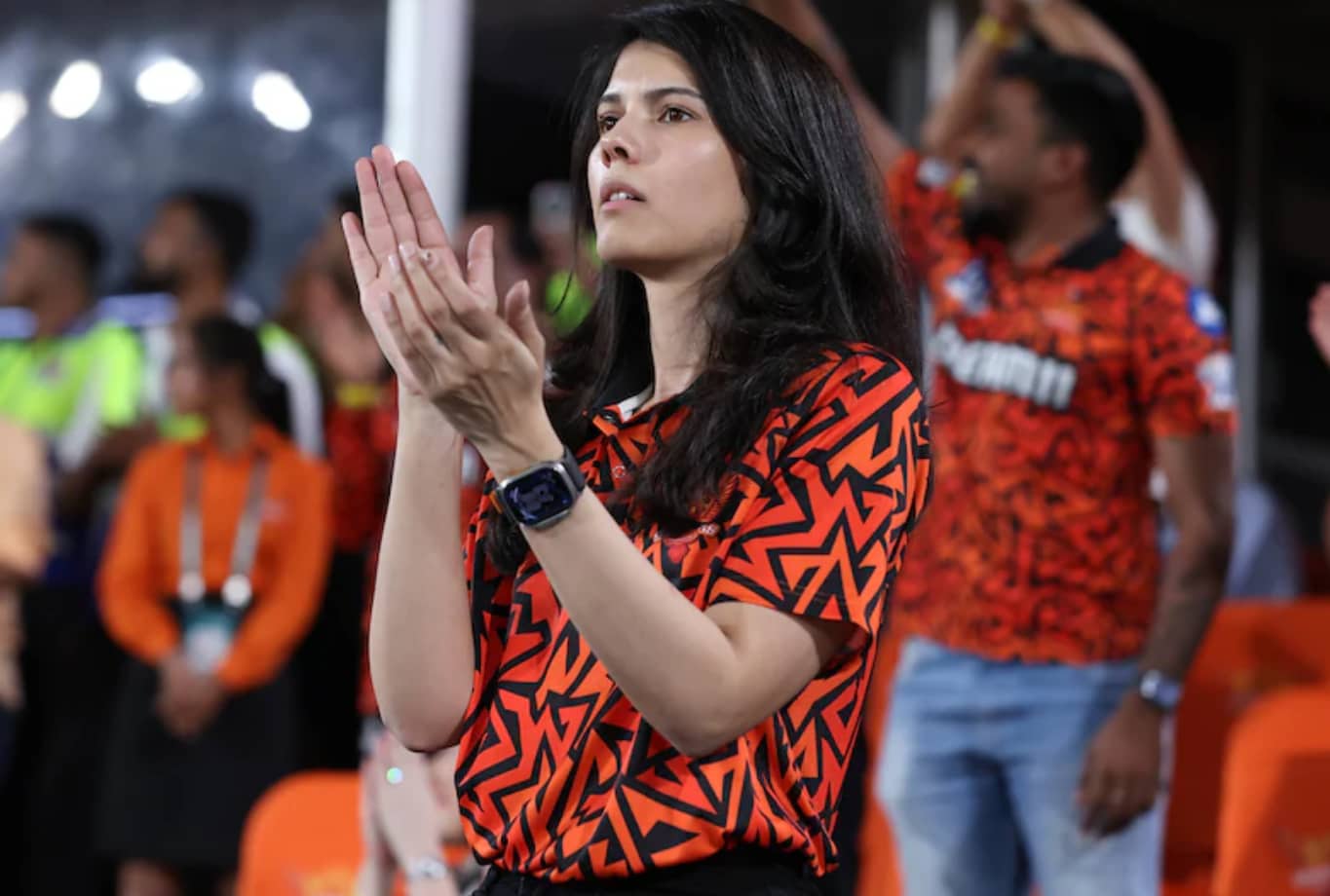
by Most cricket fans recognize Kavya Maran from IPL auctions. She sits at the bidding table representing Sunrisers Hyderabad. Her reactions go viral. Her decisions spark debate.
But what makes the SRH team owner different from others? Money. Unlimited backing from one of India’s biggest media empires removes the financial anxiety most franchises face.
The SUN Group owns SRH through Sun TV Network Limited. Kalanithi Maran built this broadcasting giant from nothing in 1993. Today it generates billions from 33+ television channels across South India.
Kavya, his daughter, runs the cricket franchise with complete operational control. She makes auction calls, approves strategies, and sets team culture. The family business just writes the checks.
This arrangement created IPL’s most financially secure franchise. SRH can afford big risks because massive wealth cushions potential failures. That freedom shaped their aggressive cricket philosophy.
SRH Team Owner
This article breaks down who owns what, where the billions come from, and how media industry thinking transformed SRH into cricket’s boldest experiment.
The Ownership Chain Explained
Quick Answer: The SUN Group owns Sunrisers Hyderabad through Sun TV Network Limited. Kalanithi Maran controls the group. Kavya Maran manages daily operations as franchise CEO.
Understanding the structure requires following the chain:
- Sun TV Network Limited holds the legal franchise rights. This publicly traded company bought SRH in 2012 for $85 million. BCCI recognizes them as official owners.
- The SUN Group controls Sun TV Network through majority shareholding. This private conglomerate manages all family business interests.
- Kalanithi Maran founded and chairs the SUN Group. He makes ultimate decisions about major investments and strategic direction.
- Kavya Maran runs SRH operations. She handles player auctions, coaching appointments, team strategy, and brand management.
This layered structure separates legal ownership from operational management. Kavya gets complete cricket authority. The family business provides unlimited capital. Neither interferes with the other’s domain.
Why structure it this way? Corporate ownership through Sun TV Network offers tax benefits and cleaner accounting. Personal ownership would complicate sponsor contracts, player salaries, and stadium deals.
The SRH owner name 2026 technically lists Sun TV Network Limited on BCCI documents. But everyone in cricket knows Kavya Maran calls the shots.
When BCCI terminated Deccan Chargers in 2012, multiple bidders competed for the Hyderabad franchise.
The SUN Group won because they offered:
- Immediate $85 million payment (no financing needed)
- Proven business track record
- Clean corporate structure
- Commitment to building long-term cricket infrastructure
Other bidders had stronger cricket backgrounds. The SUN Group had a stronger balance sheet. BCCI chose financial stability after the Deccan Chargers’ messy collapse.
Where the Billions Come From?
The SRH team owner net worth mixes franchise value with family wealth. Let’s separate them.
- SRH Franchise Value: Approximately $154 million as of 2026. This represents the team’s brand worth, commercial contracts, and competitive value.
- Maran Family Wealth: Between $2.5-3 billion total. Most comes from Sun TV Network stock and other media assets.
The wealth sources break down like this:
Sun TV Network
The crown jewel. This company operates 33+ regional channels across Tamil, Telugu, Kannada, Malayalam, and Bengali languages. It reaches over 95 million Indian households.
Revenue streams include:
- Advertisement sales (hundreds of millions annually)
- Cable operator subscription fees
- Content licensing to streaming platforms
- Syndication rights for popular shows
The company trades publicly with a market cap of around $2 billion. Kalanithi Maran’s controlling stake represents most of his wealth.
Sun Direct DTH Service
This direct-to-home satellite platform has approximately 14 million subscribers. Each pays monthly fees ranging from ₹150-500, depending on the package.
That creates predictable recurring revenue. Unlike advertising (which fluctuates), subscription income stays steady. This cash flow funds expansion and investments like SRH.
Print and Radio Assets
Dinakaran newspaper serves Tamil readers. Radio stations operate in Chennai, Bangalore, and other cities. Print revenue has declined, but it still contributes to the overall portfolio.
Real Estate Holdings
The family owns significant property in Chennai and across Tamil Nadu. Most stays are unlisted and private. Conservative estimates place this at hundreds of millions in value.
Former Aviation Investment
The group controlled SpiceJet airline from 2010 to 2015. They sold after consistent losses taught them to stick with media expertise. That exit, while financially painful, reinforced focus on core competencies.
| Asset | Estimated Value | Revenue Source |
|---|---|---|
| Sun TV Network stake | $1.8-2 billion | Stock value, dividends |
| Sun Direct DTH | $400-500 million | Subscriber fees |
| Sunrisers Hyderabad | $154 million | Sponsorships, brand value |
| Real estate portfolio | $200-300 million (est.) | Appreciation, rentals |
| Other media assets | $50-100 million | Print, radio, digital |
Kavya Maran net worth isn’t disclosed. She holds family business stakes likely worth hundreds of millions through inheritance structures. Tamil Nadu’s business families traditionally keep individual wealth private.
Meet Kavya Maran: Cricket’s Young Leader
The SRH owner name girl searches spike every IPL season because Kavya Maran stands out. Young. Female. Visibly emotional during auctions. She breaks the typical IPL owner mold.
Her journey started at Warwick Business School in the UK. She earned a business management degree, preparing for corporate leadership. Cricket wasn’t part of the plan initially.
Her father bought SRH in 2012. He managed early operations but transitioned control to Kavya within a few years. This wasn’t ceremonial. He gave her real authority over an $85 million investment.
She was in her twenties taking charge of a professional sports franchise. Most owners are established businessmen decades older. The responsibility could have overwhelmed her. Instead, she leaned into it.
Her auction presence became her signature. Other owners maintain poker faces. Kavya shows everything. Joy when winning key players. Frustration when rivals outbid SRH. This authenticity resonated with fans.
Kavya Maran Instagram (@kavya_maran) reflects selective engagement. She posts occasionally, mainly about SRH campaigns and match days. Each post generates millions of impressions despite infrequent updates.
The Kavya Maran husband question circulates constantly. She has never publicly addressed marriage or relationships. Her personal life stays completely private while cricket decisions remain transparent.
Her management style emphasizes trust. She backs her coaches completely. When they propose ultra-aggressive batting strategies that risk embarrassing losses, she supports them anyway.
This trust creates unique franchise culture. Coaches experiment freely because ownership won’t second-guess tactical choices. That freedom produced both SRH’s 2016 championship and some spectacular failures.
Critics questioned whether she had real power or just served as a public face. Her unwavering support for aggressive cricket (despite criticism) proved she controls strategy, not just appearances.
The srh owner name kavya maran combination trends during every auction season. Her visibility makes her one of IPL’s most recognized owners despite SRH’s mid-tier trophy count.
How Kalanithi Maran Built the Empire?
Understanding the family’s wealth requires knowing where it started.
Kalanithi Maran launched Sun TV in 1993 when satellite broadcasting was new to India.
Most networks chased Hindi-speaking audiences across North India. He targeted South Indian regional languages instead.
This contrarian strategy worked brilliantly. Sun TV became Tamil Nadu’s dominant channel almost immediately.
Families switched from government-run Doordarshan to Sun TV for better content.
Success funded rapid expansion:
- 1990s: Sun TV establishes dominance in Tamil broadcasting. Revenue grows as advertising follows viewership.
- Early 2000s: Launches Gemini TV (Telugu), Surya TV (Malayalam), and Udaya TV (Kannada). Regional focus beats national broadcasters’ spread-thin approach.
- Mid-2000s: Adds movie channels, music channels, and news networks. Portfolio grows to 30+ channels.
- 2010: Ventures into aviation with SpiceJet acquisition. This move eventually fails, teaching expensive lessons.
- 2012: Buys SRH franchise for $85 million. Returns to entertainment industry expertise.
- 2015: Exits SpiceJet after losses. Refocuses entirely on media and cricket.
- 2020s: Adapts to streaming competition while maintaining cable/DTH dominance in South India.
The SpiceJet failure mattered. It taught the family to stick with what they know. Media makes billions. Airlines didn’t.
When IPL opportunities arose, cricket fit their entertainment expertise perfectly.
Sports content drives television viewership. IPL matches pull massive ratings. Owning a team meant controlling premium content.
That logic made SRH a smart strategic investment beyond cricket passion.
Why SRH Plays Cricket Differently?
The franchise’s ultra-aggressive approach didn’t emerge randomly. Media industry thinking shaped it.
Traditional teams optimize for wins. Two points matter most. SRH optimizes for engagement and entertainment.
The Logic: High-scoring matches create viral highlights. Highlights drive social media buzz. Buzz builds brand value. Brand value attracts sponsors. Commercial success sometimes exceeds championship value.
Examples of this philosophy:
- Posting 250+ Totals: SRH attempts these scores regularly. Traditional cricket considers it risky. SRH sees it as content creation that generates discussion regardless of the result.
- Bold Batting Orders: Opening with bowlers. Playing three wicketkeepers. These experiments create conversation that keeps SRH trending between matches.
- Big-Money Player Bids: Paying premium prices for impact players like Heinrich Klaasen. He delivers explosive innings that justify investment through pure entertainment value.
- Youth Development: Giving unknown talents like Umran Malik and Abhishek Sharma chances. These discoveries become stories that the media covers extensively.
The SUN Group’s broadcasting background makes them comfortable with this approach. They understand sports are entertainment first, competition second.
Kavya Maran fully backs this philosophy. When critics questioned whether SRH cared about winning, she continued supporting aggressive strategies. Her actions proved her commitment to this vision.
SRH’s Financial Performance vs Trophy Count
- Championship Count: 1 title (2016)
- Playoff Appearances: 7 in 14 seasons
- Brand Value Growth: From $85M to $154M (81% increase)
The trophy cabinet looks modest. But financially? SRH thrives.
- Strong Sponsorship Portfolio: Despite inconsistent results, brands keep investing. The entertainment factor maintains commercial appeal.
- Merchandise Success: Orange jerseys sell well. The “Orange Army” fan base buys team gear enthusiastically.
- Social Media Leadership: Millions of followers. Engagement rates rival teams with better win records.
- Media Coverage: SRH generates constant discussion. Win or lose, their approach creates content that sports media covers.
- Cross-Promotion Benefits: SUN Group’s TV channels promote SRH heavily during seasons. This free advertising is worth millions and boosts commercial performance.
This proves brand value extends beyond championships. Fan engagement, media presence, and commercial partnerships matter equally in modern sports business.
Kavya Maran understood this early. She built a franchise that resonates commercially regardless of on-field results. Smart business thinking is separate from pure cricket success.
The 2026 Season Start
SRH owner name 2026 remains unchanged. Kavya Maran continues leading with SUN Group backing.
The season opened with a loss to RCB. SRH posted 201/9, but RCB chased it in 15.4 overs. Ishan Kishan (interim captain with Pat Cummins injured) scored 80 off 38 balls. Aniket Verma added 43 off 18.
The total looked competitive. The bowling couldn’t defend it. This pattern has defined recent SRH seasons. Batting posts big totals. Bowling leaks runs.
The team’s core strategy hasn’t changed despite this loss. Attack early. Attack often. Take risks that entertain even when they fail.
Kavya Maran’s continued support for this approach shows she’s committed long-term. One loss won’t change the franchise philosophy built over multiple seasons.
FAQs
- Q: Who is the current SRH owner?
Sun TV Network Limited legally owns SRH. This company is controlled by Kalanithi Maran’s SUN Group. His daughter Kavya Maran manages the franchise as CEO.
- Q: What is Kavya Maran’s Instagram handle?
Her Instagram ID is @kavya_maran. She posts occasionally, mainly about SRH and cricket-related content during IPL seasons.
- Q: How much is the Maran family worth?
The family’s total wealth is estimated between $2.5-3 billion, primarily from Sun TV Network holdings, Sun Direct DTH service, and other media assets.
- Q: Why does SRH play such risky cricket?
The strategy reflects the SUN Group’s media background. High-scoring, entertaining matches create viral content and build brand value even without consistent winning.
- Q: Is Kavya Maran married?
She has not publicly disclosed information about marriage or relationships. Her personal life remains private while cricket decisions stay transparent.
- Q: Has SRH been profitable for the Maran family?
The franchise value grew from $85 million (2012) to $154 million (2026), representing 81% appreciation. Strong commercial performance suggests profitability beyond just brand valuation.
Conclusion:
The SRH team owner structure combines family wealth, corporate ownership, and individual leadership. Sun TV Network Limited holds legal rights. The SUN Group provides $3 billion in backing. Kavya Maran controls cricket operations.
This arrangement created IPL’s most financially secure franchise. Unlimited capital removes constraints most teams face. That freedom enabled SRH’s transformation into cricket’s boldest entertainment experiment.
The Maran family’s media empire, built through regional broadcasting dominance, funds strategies that prioritize engagement alongside winning. Their entertainment industry expertise shaped approaches that traditional cricket owners might reject.
Whether this delivers more championships remains uncertain. The 2016 title proved it can work. Recent seasons showed that entertainment doesn’t always equal trophies.
But Kavya Maran plays the long game. She’s building a brand that transcends individual seasons. With the SUN Group’s backing and smart leadership, SRH will keep experimenting and occasionally winning.
The franchise value growth (81% since purchase) proves commercial success exists independent of championship count. That matters in modern sports where brand value drives overall returns.
SRH changed IPL’s conversation about what franchise success means. That impact endures regardless of playoff results.
Final Verdict:
Follow our complete IPL 2026 coverage for daily SRH updates, match analysis, and franchise news throughout the season.